
February 7, 2025 · Audio and Video Solutions · HamptonTek · Smart home technology · Smart Homes Voice Control
The New HomePod Smart Home Upgrade: Apple’s Missing Piece
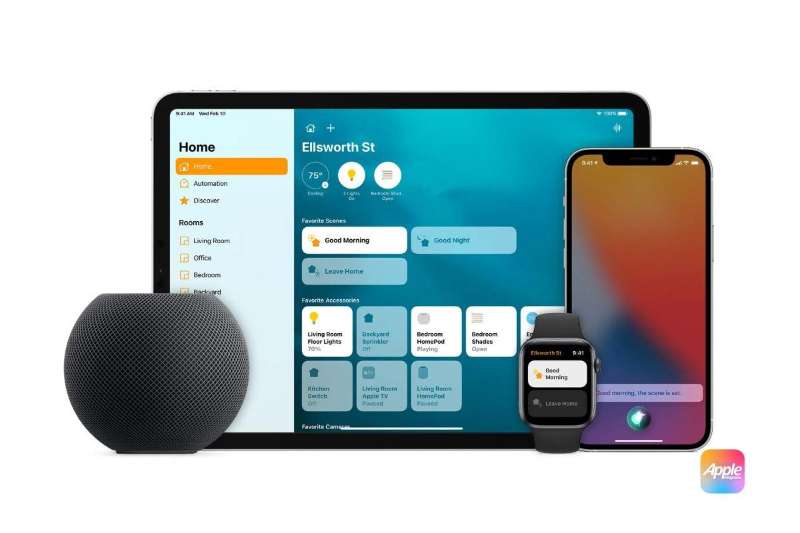
Apple is reportedly gearing up to launch a new HomePod smart home device that could solidify its position in the increasingly competitive smart home market. Despite Apple’s advances with products like HomeKit, HomePods, and Siri, the company has yet to match the dominance of Amazon’s Echo and Google’s Nest Hub. This upcoming HomePod may just be the upgrade needed to change that.
A Brief History of HomePod
Apple’s journey in the smart speaker space began with the original HomePod in 2018, which was launched as a premium audio device. While it excelled in sound quality, its high price and limited smart assistant functionality hampered widespread adoption. In response, Apple introduced the HomePod mini in 2020, providing a more affordable option that integrated with HomeKit and Siri, and it saw greater success among Apple users.
With the new HomePod, Apple is expected to combine the strengths of both original models while addressing previous weaknesses.
What We Know About the New HomePod
Although details are still emerging, industry sources have hinted at several promising features for Apple’s next-generation HomePod:
- Advanced Sound Technology: The new HomePod is expected to enhance its audio capabilities, incorporating features like spatial audio and dynamic calibration, making it the ideal centerpiece for home entertainment systems.
- Smart Home Hub Integration: Anticipated improvements to smart home controls may involve enhanced compatibility with the Matter protocol, allowing the HomePod to manage devices beyond just Apple’s offerings, including lights, locks, cameras, and thermostats.
- Siri Improvements: Users have often noted Siri's challenges in comparison to Alexa and Google Assistant. The new HomePod aims to improve Siri’s voice recognition, speed, and smart home commands, making for a smoother user experience.
Unique Features Setting Apple Apart
Apple’s approach to the smart home industry stands out in several ways, particularly its commitment to privacy and seamless device integration.
- Privacy-First Design: The new HomePod is likely to prioritize user privacy, processing voice commands locally and ensuring secure data transmission—an attractive feature for privacy-conscious consumers.
- Seamless Integration: Apple’s ecosystem enables fluid interactions among devices. The new HomePod will likely continue to support features like Handoff, AirPlay, and shared automation routines, creating a cohesive user experience across Apple products.
Potential Use Cases
The new HomePod is expected to cater to diverse use cases, from home automation to entertainment and security:
- Home Automation: Users could set up complex routines, such as a “Good Night” command that locks doors, turns off lights, and adjusts thermostats with a single voice cue.
- Enhanced Entertainment: With advanced sound technology, the new HomePod could elevate home theater experiences, supporting multi-room audio and improved stereo sound setups.
- Security Monitoring: Integration with HomeKit Secure Video may provide advanced security features like live feeds and motion alerts, giving users peace of mind away from home.
Competing in a Crowded Market
While Apple faces tough competition from Amazon's Echo and Google’s Nest Hub, the company’s focus on premium hardware and user privacy sets it apart. For example, Amazon offers budget-friendly devices and an extensive Alexa skill library but has faced scrutiny over privacy issues. In contrast, Apple’s approach emphasizes local processing, building trust among users concerned about data privacy.
Challenges and Opportunities
Apple’s path to expanding its smart home market share is not without challenges. However, these obstacles also present opportunities:
- Expanding Compatibility: Limited compatibility with third-party devices has been a barrier. By adopting the Matter protocol, Apple could widen its audience.
- Pricing Strategy: Apple’s premium pricing has deterred some consumers. Introducing tiered offerings or more affordable options could enhance competitiveness with Amazon and Google.
- Enhancing Siri: Improving Siri’s language processing capabilities and expanding its smart home functionality will be crucial for the new HomePod’s success.
Exciting Times for HamptonTek
At HamptonTek, we are excited about the arrival of the new HomePod and the solutions it brings. This device will be a fantastic option for our clients in the Hamptons who love the Apple ecosystem and seek high-quality smart home integrations. We believe that the new HomePod will seamlessly fit into our setups, enhancing user experiences with advanced sound technology and compatibility across devices.
The Road Ahead
The new HomePod smart home device is part of Apple’s larger vision for dominating the connected home landscape. Future innovations may include:
- Expanded HomeKit functionalities for third-party devices.
- AI-driven automation tailored to user preferences.
- Enhanced integration with new products, such as Apple Vision Pro for augmented reality smart home controls.
As Apple prioritizes innovation and user privacy, it is well-positioned to redefine its role in the smart home market. The new HomePod could very well become an essential element of connected homes for users who value security, privacy, and seamless integration. Enthusiasm continues